


-

Add: HeBei ShengShi HongBang Cellulose Technology CO.,LTD.
-

Email
13180486930@163.com -

CONTACT US
+86 13180486930

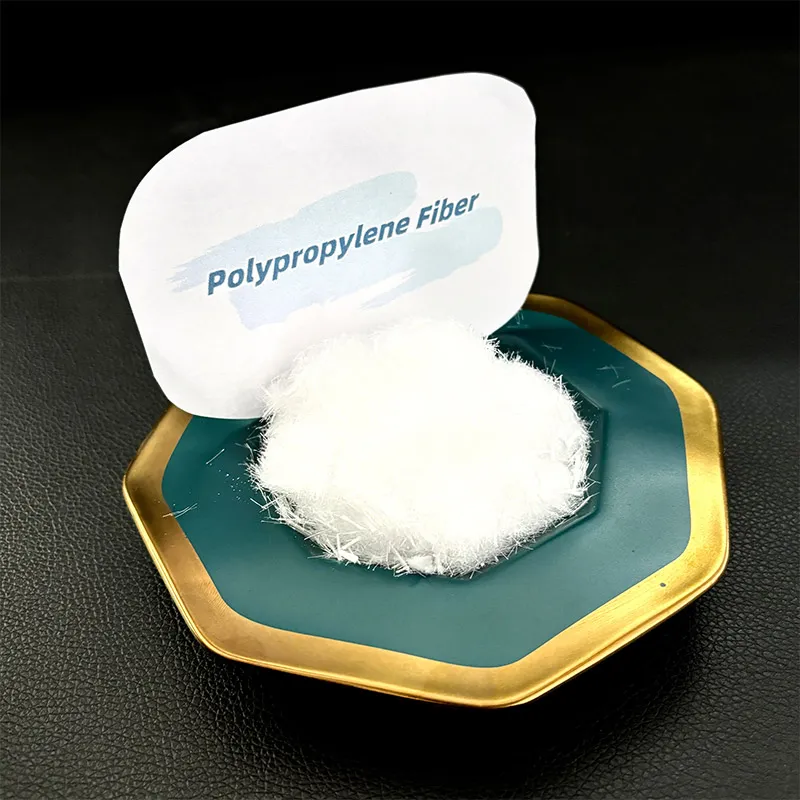


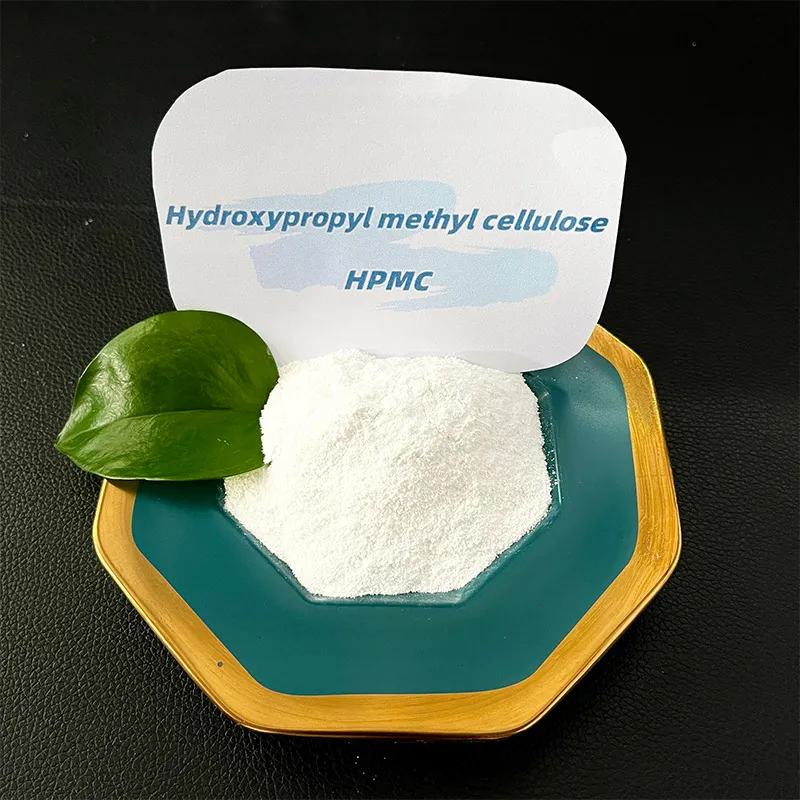
Cracking is a persistent challenge in cementitious products, undermining structural integrity and durability. Fortunately, hydroxypropyl methyl cellulose (HPMC) has emerged as a game-changing additive, effectively mitigating this issue. Hydroxypropyl methyl cellulose hpmc and hydroxypropyl methylcellulose variants enhance the performance of cement mixes, making them more resilient to cracks caused by shrinkage, temperature changes, or stress. Hebei ShengShi HongBang Cellulose Technology CO.,LTD, a professional HPMC manufacturer with over 20 years of experience, located in Hebei Province’s Xinji clean chemical industry park with excellent transportation links, specializes in producing high-quality hydroxypropyl methyl cellulose using advanced German technology. Their daily production capacity of 80–100 tons and export reach to over 30 countries make them a reliable partner for wholesalers serving the construction industry. This article explores how HPMC reduces cracking in cementitious products, highlighting its benefits and applications. Role of Hydroxypropyl Methyl Cellulose in Cement Mixes Water Retention Enhancement: Hydroxypropyl methyl cellulose acts as a powerful water-retention agent in cementitious mixes. By slowing down the evaporation of water, it ensures the cement has sufficient time to hydrate fully. Incomplete hydration is a major cause of shrinkage cracking, so proper water retention helps the mixture cure evenly, reducing internal stresses. Wholesalers can emphasize that this property is especially valuable in hot or windy environments, where rapid water loss is common. Improved Workability: Adding hydroxypropyl methyl cellulose to cement mixes enhances their plasticity and workability. This allows for easier pouring, spreading, and finishing without the mix drying out too quickly. A more workable mix reduces the need for excessive water addition (which can weaken the cement and increase shrinkage), thereby lowering the risk of cracking. Hebei ShengShi HongBang’s HPMC products are formulated to balance workability with strength, catering to diverse construction needs. Film-Forming for Cohesion: Hydroxypropyl methyl cellulose forms a thin, flexible film within the cement matrix as the mix cures. This film acts as a bridge between particles, improving the material’s cohesion and tensile strength. Enhanced tensile strength helps the cement resist cracking when subjected to external forces, such as structural loads or ground movement. Mechanisms of Hydroxypropyl Methylcellulose in Cracking Reduction Shrinkage Control: Cementitious products often crack due to plastic shrinkage (during setting) or drying shrinkage (after curing). Hydroxypropyl methylcellulose minimizes these effects by regulating water distribution. It reduces the rate of volume loss as water evaporates, preventing the formation of microcracks that can expand over time. This is crucial for large-scale applications like concrete slabs or walls, where shrinkage-related cracks are most problematic. Air Entrainment Regulation: Hydroxypropyl methylcellulose can help stabilize air bubbles in cement mixes, though to a lesser extent than dedicated air-entraining agents. These tiny bubbles act as buffers, absorbing stress from temperature changes or freeze-thaw cycles. By reducing internal pressure, they lower the likelihood of cracking in harsh climates. Hebei ShengShi HongBang’s HPMC products are engineered to provide consistent air entrainment, ensuring reliable performance across different environments. Adhesion Promotion: The adhesive properties of hydroxypropyl methylcellulose improve the bond between cement particles and aggregates. A stronger internal bond makes the material more resistant to cracking under stress, such as when subjected to heavy loads or vibrations. This is particularly beneficial for structural elements like beams, columns, or precast components. Types of Hydroxypropyl Methyl Cellulose HPMC for Specific Applications HPMC Type Viscosity Range Best For Cracking Reduction Benefit Low-Viscosity HPMC 5,000–10,000 cP Mortars, tile adhesives Enhances workability and water retention for thin applications. Medium-Viscosity HPMC 15,000–40,000 cP Concrete mixes, self-leveling compounds Balances cohesion and shrinkage control for structural use. High-Viscosity HPMC 60,000–100,000 cP Grouts, repair mortars Provides superior water retention for slow-curing applications. This table helps wholesalers match hydroxypropyl methyl cellulose hpmc types to specific cementitious products, ensuring optimal cracking reduction based on the application’s requirements. Practical Benefits of Hydroxypropyl Methyl Cellulose for Construction Professionals Reduced Repair Costs: By minimizing cracking, hydroxypropyl methyl cellulose lowers the need for costly repairs and maintenance. This is a significant advantage for contractors and developers, as cracked concrete or mortar can lead to structural issues, water infiltration, and aesthetic flaws. Using HPMC translates to long-term savings and higher client satisfaction. Versatility Across Mixes: Hydroxypropyl methylcellulose works effectively in various cementitious products, including mortar, concrete, grout, and stucco. This versatility makes it a staple additive for construction projects of all scales, from residential renovations to large infrastructure developments. Wholesalers can highlight that Hebei ShengShi HongBang offers customizable HPMC grades to suit different mix designs. Compliance with Standards: High-quality hydroxypropyl methyl cellulose hpmc meets international construction standards for performance and safety. This ensures that cementitious products using HPMC are reliable and fit for purpose, giving contractors confidence in their materials. Hebei ShengShi HongBang’s 100% product quality rate guarantees compliance with global regulations, making their HPMC a trusted choice. Hydroxypropyl Methyl Cellulose FAQS What Dosage of Hydroxypropyl Methyl Cellulose Prevents Cracking? Typically, 0.1–0.5% of hydroxypropyl methyl cellulose by weight of cement is sufficient to reduce cracking. The exact dosage depends on the mix design and application—for example, high-shrinkage mixes may require higher amounts. Hebei ShengShi HongBang provides technical support to help wholesalers and clients determine optimal dosages. Does Hydroxypropyl Methylcellulose Affect Cement Strength? No, when used in appropriate dosages, hydroxypropyl methylcellulose does not weaken cementitious products. Instead, it enhances tensile strength and cohesion, improving overall durability. Overdosing may slightly reduce compressive strength, so following recommended dosages is key. Can Hydroxypropyl Methyl Cellulose HPMC Withstand Freeze-Thaw Cycles? Yes. Hydroxypropyl methyl cellulose hpmc improves freeze-thaw resistance by promoting better water retention and air entrainment. This makes it ideal for cementitious products used in cold climates, where freeze-thaw cycles are a common cause of cracking. Is Hydroxypropyl Methylcellulose Compatible with Other Additives? Absolutely. Hydroxypropyl methylcellulose works well with plasticizers, accelerators, and retarders, allowing for customized mix designs. It complements other additives to enhance overall performance without adverse interactions, making it a flexible choice for diverse construction needs. Where Can Wholesalers Source Reliable Hydroxypropyl Methyl Cellulose? Hebei ShengShi HongBang Cellulose Technology CO.,LTD offers premium hydroxypropyl methyl cellulose and hydroxypropyl methylcellulose products, designed to reduce cracking in cementitious materials. Visit their website to explore their range and partner with a manufacturer renowned for quality and consistency in the construction industry.
- 40000tons

Production
- 20+years

Experience
- 5000+㎡

Acreage

-
Understanding Methyl Cellulose and Its Pricing Dynamics Methyl cellulose, a water-soluble polymer derived from cellulose, has garnered increasing attention in various industries due to its versatile properties. As a key ingredient in food, pharmaceuticals, cosmetics, and construction, methyl cellulose plays a significant role in enhancing the quality and functionality of many products. However, the pricing aspects of methyl cellulose often raise questions among manufacturers and consumers alike. This article delves into the factors influencing the price of methyl cellulose, its applications, and the market trends that shape its economics. What is Methyl Cellulose? Methyl cellulose is produced through the methylation of cellulose, which is a natural polymer obtained from plant cell walls, particularly from wood and cotton. This modification process endows methyl cellulose with unique properties such as high viscosity, gelling ability, and water retention. Because of these characteristics, it acts as a thickener, emulsifier, and stabilizer, making it a popular choice in various applications. Applications of Methyl Cellulose 1. Food Industry Methyl cellulose is commonly used in the food industry as a thickening agent and a fat replacer. It helps improve the texture and stability of food products like sauces, dressings, and baked goods. Additionally, its ability to form gels at elevated temperatures is exploited in vegetarian and vegan food substitutes. 2. Pharmaceuticals In the pharmaceutical sector, methyl cellulose serves as an effective binder, coating, and disintegrant in tablet formulations. Its water-retaining properties are also valuable in the production of ocular solutions and laxatives. 3. Cosmetics Methyl cellulose is utilized in various cosmetic products for its thickening and stabilizing properties. It can be found in shampoos, lotions, and creams, contributing to the desired texture and overall feel of these products. 4. Construction The construction industry employs methyl cellulose as an additive in tile adhesives, joint compounds, and plaster. Its water retention and improved workability aid in creating durable and effective building materials. Factors Influencing the Price of Methyl Cellulose harga metilselulosa The pricing of methyl cellulose is influenced by several key factors, including 1. Raw Material Costs The primary raw materials for cellulose-based products, including cotton and wood pulp, can experience price fluctuations based on supply and demand dynamics. In addition, any changes to regulations affecting sustainable sourcing can also impact raw material costs. 2. Production Processes The manufacturing processes involved in producing methyl cellulose can be complex and energy-intensive. Advances in production technology can potentially reduce costs, but any disruptions—such as maintenance issues or the introduction of new regulations—can affect pricing. 3. Market Demand The growth of industries utilizing methyl cellulose directly impacts its demand. For instance, the rising popularity of plant-based food products has significantly increased the use of methyl cellulose as a vegan binder in food processing, contributing to fluctuating prices. 4. Geopolitical Factors International trade agreements, tariffs, and political stability in regions producing cellulose can affect the global supply chain, impacting both availability and pricing of methyl cellulose. For example, disruptions in trade can lead to supply shortages, subsequently driving up prices. 5. Technological Innovations As research advances, new grades and formulations of methyl cellulose are developed, often commanding different price points. Innovations that enhance performance or functionality can justify higher costs, while more efficient production methods can lower them. Market Trends and Future Outlook The methyl cellulose market is poised for growth, driven by expanding applications across various sectors. The trend toward clean label products in the food industry, coupled with an increasing preference for natural and plant-based ingredients, is likely to sustain demand for methyl cellulose. Additionally, advancements in production technology and heightened environmental awareness may foster more sustainable practices within the industry, influencing pricing trends. In conclusion, methyl cellulose plays an invaluable role across numerous industries. Understanding the factors that contribute to its pricing can help stakeholders make informed decisions. As demand for this versatile polymer continues to grow, staying attuned to market trends and shifts will be essential for navigating the complexities of methyl cellulose pricing.
-
Extra time plaster additives have revolutionized the construction and renovation industry, providing a solution that allows builders and DIY enthusiasts to manage their time more efficiently without compromising on the quality of the work. This product is especially beneficial in environments where the curing time of plaster can be a challenge due to environmental factors or large-scale projects demanding a gradual pace. Understanding the mechanics of extra time plaster additives requires delving into their composition and functionality. These additives are specially formulated compounds that slow down the setting process of plaster, an indispensable trait when it comes to detailed work or complex projects. Typically, they are made from a blend of retarding agents and other ingredients that finely calibrate the setting time without degrading the plaster's structural integrity or finish quality. Experience with extra time plaster additives highlights their unparalleled utility in scenarios where timing is critical. Professional builders who undertake extended wall plastering or intricate ceiling designs frequently cite the controlled setting time as a key advantage. This feature ensures that the finishing touches can be applied meticulously, improving the overall aesthetic without the stress of the plaster hardening prematurely. Furthermore, amateur DIY enthusiasts find these additives incredibly user-friendly, as they provide the flexibility to amend or smooth over any inconsistencies in the application. From an expertise perspective, using extra time plaster additive demands a solid understanding of how to balance the additive's proportion to the volume of plaster mix. Success lies in meticulous measurement. A common guideline is to follow the manufacturer's specifications, accounting for variables like ambient temperature and humidity, which can also affect the setting time. Experienced plasterers often perform small test batches to perfect the ratio and ensure a seamless outcome that aligns with their project's demands. Authority in discussing extra time plaster additives is bolstered by the widespread adoption and endorsement from leading construction experts and organizations familiar with their significant benefits. The Construction Industry Congress repeatedly emphasizes the efficacy of these additives in minimizing plaster waste, reducing costs associated with rushed or defective work, and ensuring environmental compatibility through fewer material discards. extra time plaster additive Trustworthiness in this domain is built on transparent communication between the manufacturers and users, ensuring clarity about the components and safety of these products. Leading brands that offer extra time plaster additives invest heavily in research and development, followed by rigorous testing to validate their additives comply with industry regulations and safety standards. This ensures users can trust the product to deliver consistent, reliable results. Another aspect highlighting the significance of extra time plaster additive is its contribution to sustainable building strategies, a crucial factor in modern construction. By allowing more precise application processes and reducing material wastage, these additives align with green building practices. Some brands have introduced eco-friendly versions that further curtail the environmental impact, making them a preferred choice for environmentally-conscious projects. Moreover, user testimonials and case studies underscore the real-world benefits of these additives . One particular case describes a large corporation undertaking a massive renovation of a multi-story building where the use of extra time plaster additives was pivotal in maintaining a fair balance between efficient project completion and achieving exquisite finishes. The extension of workable time allowed for a staggered workforce and reduced manpower fatigue, ultimately enhancing the living quality of the residents without the pressure of hasty plastering. In sum, extra time plaster additives are a critical innovation in the construction industry. They provide much-needed flexibility and control over the plaster setting process, empowering both professionals and hobbyists to achieve high-quality finishes. Their integration into construction projects symbolizes not just a tool for practical advantage but also a commitment to sustainable, efficient building practices. As the industry continues to evolve, these additives will undoubtedly remain at the forefront of construction solutions.
advantages
-

200000 Viscosities
Excellent product
We can produce pure products up to 200,000 viscosities
-

40000 tons
High yield
We don’t stop production all year round, and the annual output can reach 40,000 tons
-

24 hours
Quality service
We provide 24-hours online reception service, welcome to consult at any time
———— Inquiry Form
Schedule A services

-
 acrylic_nail_polymer
Oct . 25, 2025
The Impact of Polypropylene Fiber on Concrete Concrete is a widely used construction material, essen -
 hpmc_full_form_in_pharma
Oct . 25, 2025
The unique behavior of starch ether in construction chemistry stems from deliberate modifications to -
 hydroxypropyl_starch_phosphate_in_hair_products
Oct . 25, 2025
Exploring the molecular weight of hydroxypropyl methylcellulose (HPMC) unveils a nuanced aspect ofte


